
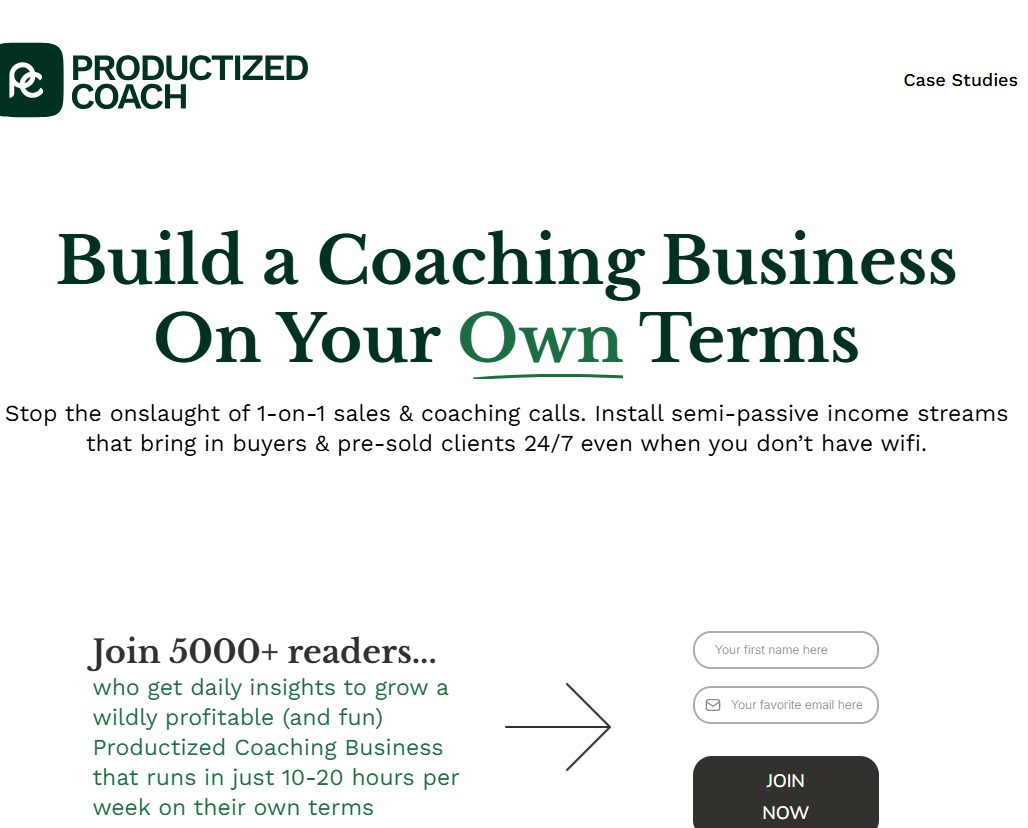
Zac Hansen – Build a Coaching Business On Your Own Terms
The coaching industry has experienced remarkable growth over the last decade as more professionals transition from traditional careers into consulting, mentoring, and online coaching. While expertise is important, many talented coaches struggle to build a profitable business because they lack a proven strategy for client acquisition, marketing, positioning, and business operations.
Zac Hansen – Build a Coaching Business On Your Own Terms is designed to help coaches create a business that aligns with their personal goals rather than following outdated business models. Instead of focusing solely on sales tactics, this program emphasizes building a sustainable coaching business with systems that generate long-term success.
Whether you’re a life coach, fitness coach, mindset mentor, business consultant, career advisor, relationship coach, executive coach, or industry expert, learning how to attract ideal clients while maintaining work-life balance is essential. This program focuses on creating freedom, flexibility, and predictable business growth.
Why Building a Coaching Business Requires More Than Expertise
Many new coaches believe that knowledge alone will attract clients. Unfortunately, the coaching marketplace has become increasingly competitive, making visibility and positioning just as important as expertise.
Common challenges include:
- Difficulty finding consistent clients
- Lack of marketing knowledge
- Poor pricing strategies
- Inconsistent monthly revenue
- Low confidence in selling services
- No structured client journey
- Limited online presence
- Time-consuming manual processes
Building a coaching business requires strategic planning, branding, lead generation, client retention, and scalable systems that work together efficiently.
Who Is Zac Hansen?
Zac Hansen is recognized for helping entrepreneurs simplify business growth while creating systems that support long-term success. His teaching approach focuses on building businesses that provide both financial freedom and personal flexibility.
Rather than promoting complicated funnels or aggressive selling, his framework encourages sustainable growth through strategic positioning, valuable content, authentic marketing, and relationship building.
His coaching philosophy centers around helping business owners build companies that support the lifestyle they truly want.
What Is Zac Hansen – Build a Coaching Business On Your Own Terms?
This program teaches entrepreneurs how to launch, grow, and scale a coaching business without sacrificing their freedom or becoming overwhelmed by unnecessary complexity.
Instead of relying on expensive advertising or complicated marketing tactics, the course focuses on practical business-building principles that can be implemented step by step.
The curriculum typically covers:
- Coaching business foundations
- Finding profitable coaching niches
- Defining ideal clients
- Creating premium offers
- Personal branding
- Client acquisition strategies
- Content marketing
- Sales conversations
- Pricing frameworks
- Business systems
- Client delivery
- Growth planning
Each lesson builds toward creating a coaching business capable of producing consistent results while maintaining flexibility.
Choosing the Right Coaching Niche
One of the most important decisions every coach makes is selecting a niche.
Trying to serve everyone often results in serving no one effectively.
A focused niche allows coaches to:
- Become recognized experts
- Improve marketing effectiveness
- Attract higher-quality clients
- Charge premium prices
- Build stronger authority
- Create specialized content
- Generate referrals more easily
Popular coaching niches include:
Business Coaching
Helping entrepreneurs grow revenue, improve operations, and increase profitability.
Career Coaching
Supporting professionals with promotions, career transitions, leadership development, and interview preparation.
Health Coaching
Helping individuals improve nutrition, exercise habits, wellness, and lifestyle.
Mindset Coaching
Guiding clients through confidence building, productivity improvement, emotional resilience, and goal achievement.
Executive Coaching
Working with managers, executives, and business leaders to improve leadership performance.
Building an Irresistible Coaching Offer
Many coaches sell hours instead of outcomes.
Successful coaching businesses focus on solving specific problems.
A strong coaching offer clearly communicates:
- Target audience
- Desired outcome
- Transformation
- Timeframe
- Support provided
- Unique methodology
- Bonus resources
Clients invest in measurable results rather than simply purchasing coaching sessions.
Creating a Strong Personal Brand
Branding is more than logos or website colors.
A personal brand represents trust, expertise, consistency, and authority.
Strong coaching brands communicate:
- Clear messaging
- Professional identity
- Authentic personality
- Educational content
- Client success stories
- Reliable communication
Over time, a recognizable brand helps attract clients organically.
Marketing Without Feeling Salesy
Many coaches dislike aggressive selling.
Instead, modern coaching businesses often rely on value-driven marketing strategies.
Examples include:
Educational Content
Sharing helpful insights through blogs, videos, podcasts, newsletters, and social media.
Case Studies
Demonstrating real client transformations.
Community Building
Creating online groups where potential clients can engage and learn.
Email Marketing
Building long-term relationships with subscribers.
Organic Visibility
Publishing useful content that answers common client questions.
Consistently providing value establishes credibility before sales conversations begin.
Client Acquisition Strategies
Finding clients consistently is one of the biggest priorities for every coaching business.
Effective acquisition methods may include:
- Content marketing
- Referral systems
- Networking
- Speaking opportunities
- Podcast interviews
- Workshops
- Webinars
- Strategic partnerships
- LinkedIn outreach
- Email campaigns
Rather than depending on a single traffic source, diversified marketing creates greater stability.
Pricing Coaching Services
Pricing is often challenging for new coaches.
Charging too little can undervalue expertise, while charging too much without demonstrating value may reduce conversions.
A strategic pricing framework considers:
- Client transformation
- Experience level
- Market demand
- Industry positioning
- Program length
- Ongoing support
- Deliverables included
Premium pricing often reflects premium outcomes rather than simply time invested.
Creating Systems That Save Time
Business systems allow coaches to serve more clients while reducing repetitive work.
Useful systems include:
- Client onboarding
- Scheduling automation
- Payment processing
- Contract management
- CRM organization
- Email automation
- Progress tracking
- Follow-up sequences
Automation improves efficiency without sacrificing client experience.
Delivering an Outstanding Client Experience
Exceptional coaching extends beyond scheduled sessions.
Successful coaches often provide:
- Clear onboarding
- Goal-setting frameworks
- Progress measurement
- Accountability systems
- Educational resources
- Personalized feedback
- Community support
- Regular communication
Satisfied clients frequently become repeat customers and referral sources.
Scaling Beyond One-to-One Coaching
As demand increases, many coaches look for scalable business models.
Expansion opportunities may include:
Group Coaching
Helping multiple clients simultaneously while increasing profitability.
Online Courses
Creating educational programs that generate revenue independently.
Membership Communities
Providing ongoing education through recurring subscriptions.
Workshops
Hosting live training sessions for businesses or communities.
Digital Products
Selling templates, worksheets, playbooks, planners, or toolkits.
Diversifying income streams reduces dependence on individual coaching sessions.
Common Mistakes New Coaches Should Avoid
Many coaching businesses struggle because of avoidable mistakes such as:
- Targeting everyone
- Inconsistent marketing
- Weak messaging
- Poor pricing decisions
- Lack of systems
- Ignoring branding
- Failing to collect testimonials
- Not tracking business metrics
- Giving away too much free coaching
- Avoiding sales conversations
Learning from these mistakes helps accelerate long-term growth.
Benefits of Building a Coaching Business on Your Own Terms
Creating a coaching business aligned with your personal goals offers numerous advantages:
- Greater flexibility
- Location independence
- Scalable income opportunities
- Meaningful client relationships
- Personal fulfillment
- Creative freedom
- Improved work-life balance
- Long-term business sustainability
A business designed around personal priorities often creates more satisfaction than simply chasing revenue.
Who Should Consider This Program?
This course is suitable for:
- New coaches
- Business consultants
- Freelancers
- Service providers
- Mentors
- Course creators
- Agency owners
- Corporate professionals transitioning into coaching
- Industry experts
- Personal development coaches
Whether you’re launching your first coaching business or refining an existing one, structured guidance can help reduce trial and error.
Final Thoughts
Building a successful coaching business requires much more than expertise. Sustainable growth comes from combining clear positioning, valuable offers, effective marketing, reliable systems, and exceptional client experiences.
Zac Hansen – Build a Coaching Business On Your Own Terms presents a practical framework for coaches who want to create a business that supports both financial success and personal freedom. By focusing on authentic relationships, strategic business development, and scalable systems, aspiring coaches can establish a strong foundation for long-term growth while maintaining flexibility in how they work.
Success in coaching isn’t about following someone else’s blueprint—it’s about building a business that reflects your expertise, serves your ideal clients, and allows you to achieve your own definition of success.




Reviews
There are no reviews yet.